EGRET-AAA going transatlantic for ARVO!
by EGRET-AAA | May 19, 2025 | Events
 |
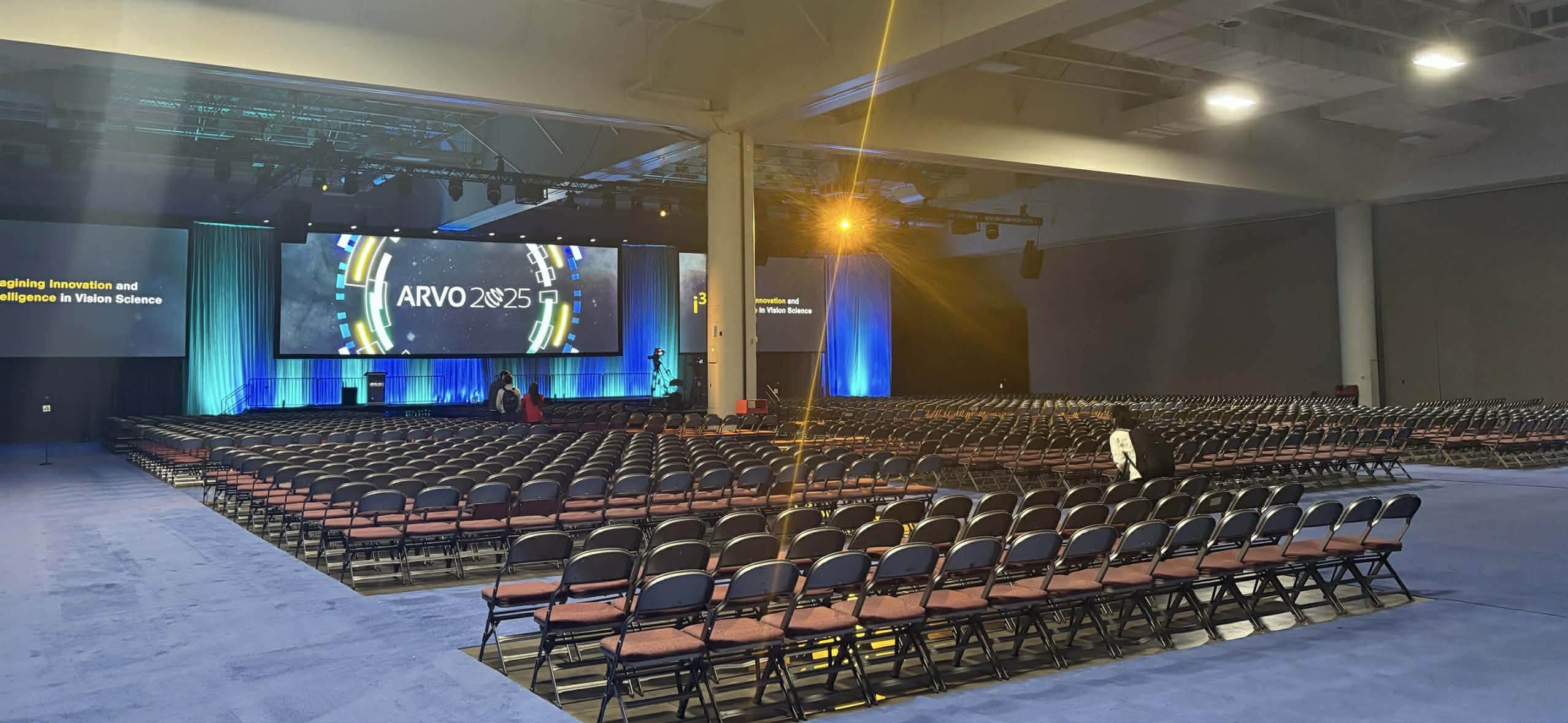
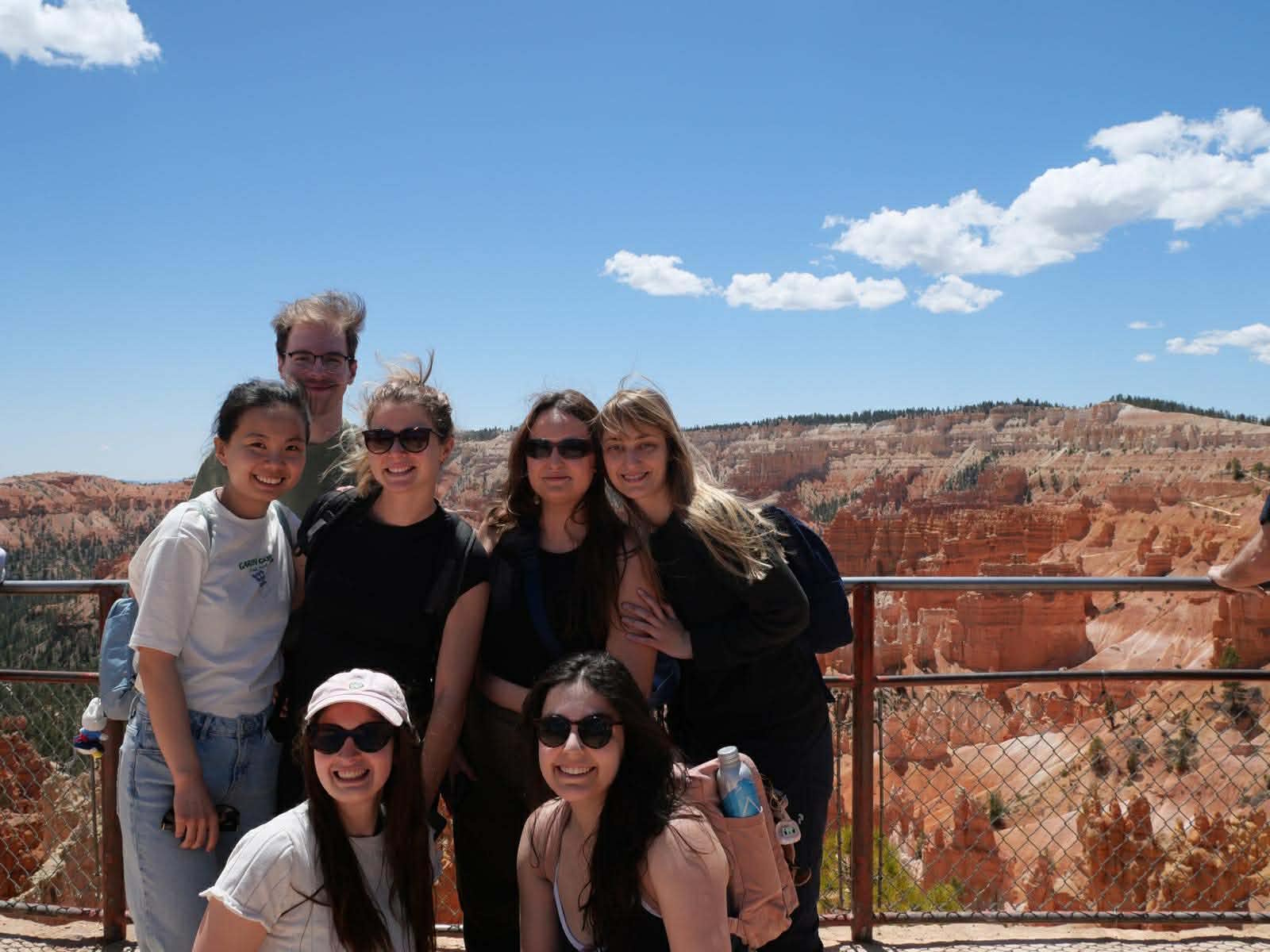
As researchers in ophthalmology there is only one conference that wears the crown, and that is ARVO’s annual meeting. It is the biggest global gathering for eye and vision scientists. Within the crowd of more than 10,900+ attendees, you could also find four familiar faces: EGRET-AAA DCs Ana Carolina, Giulia, Polina, and Lloyd had the opportunity to present some of their work at ARVO 2025 from 4 – 8 May 2025 in Salt Lake City, Utah, USA. Here you can read more about their experience. |
Polina’s work on age-related changes in mice RGCs
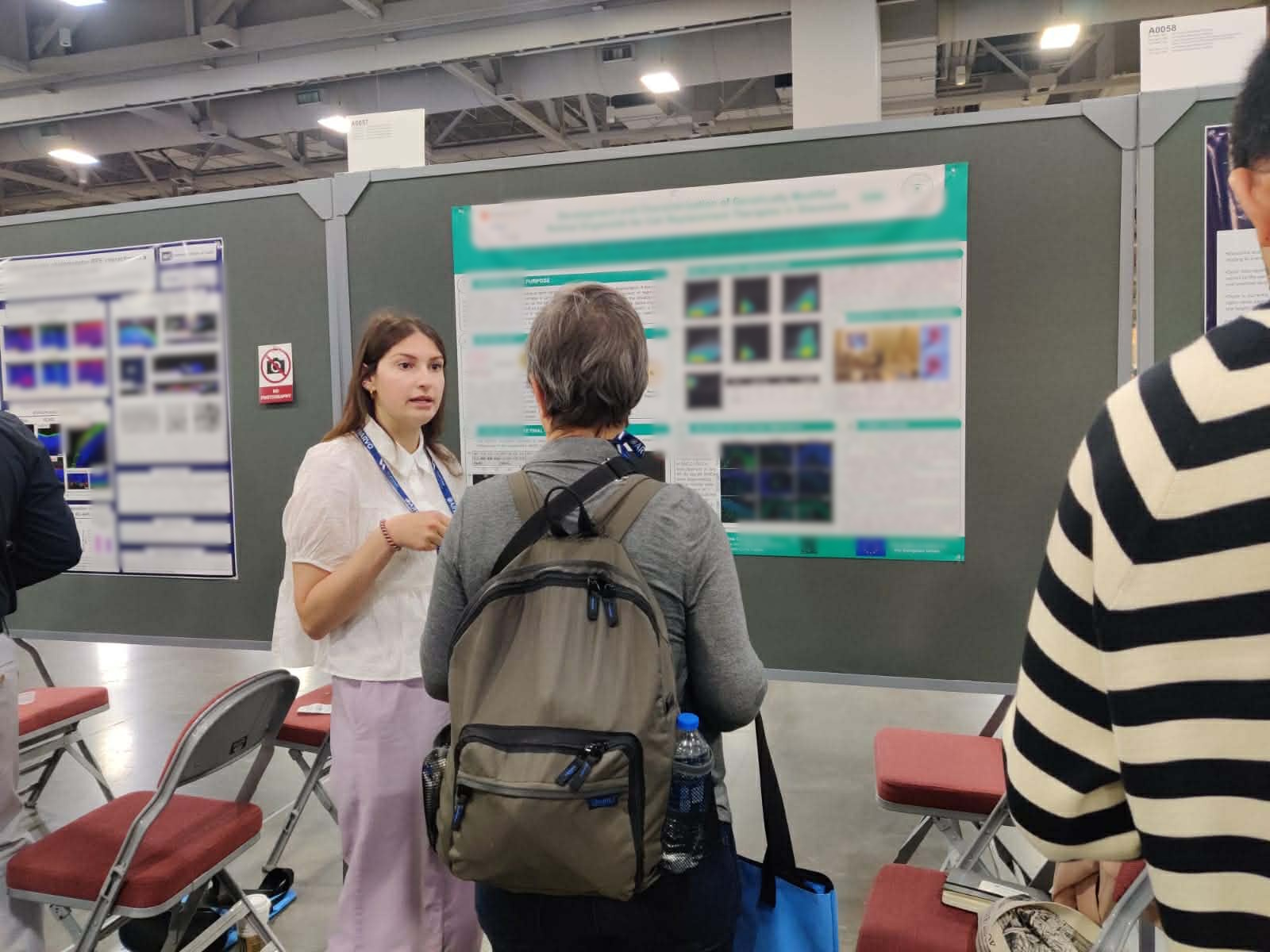
Polina presented her posted called “Age-related differences in isolated mouse retinal ganglion cells relevant for neurodegenerative modeling in vitro” where she showed significant age-dependent variations in cultured RGC structure, function, and gene expression, important to further study retinal neurodegenerative diseases.
|
 |
 |
ATOH7 does not impair Ana Carolina’s RGC development
Ana Carolina presented her poster called “Development and characterization of genetically modified retinal organoids for cell replacement therapies in glaucoma” where she showed that despite mutations in the ATOH7 gene linked to glaucoma, retinal organoids are still able to develop and have axonal extension, showing that there are very complex mechanisms involved in RGC development.
|
Giulia shows the role of FOXC1 in retinal organoids
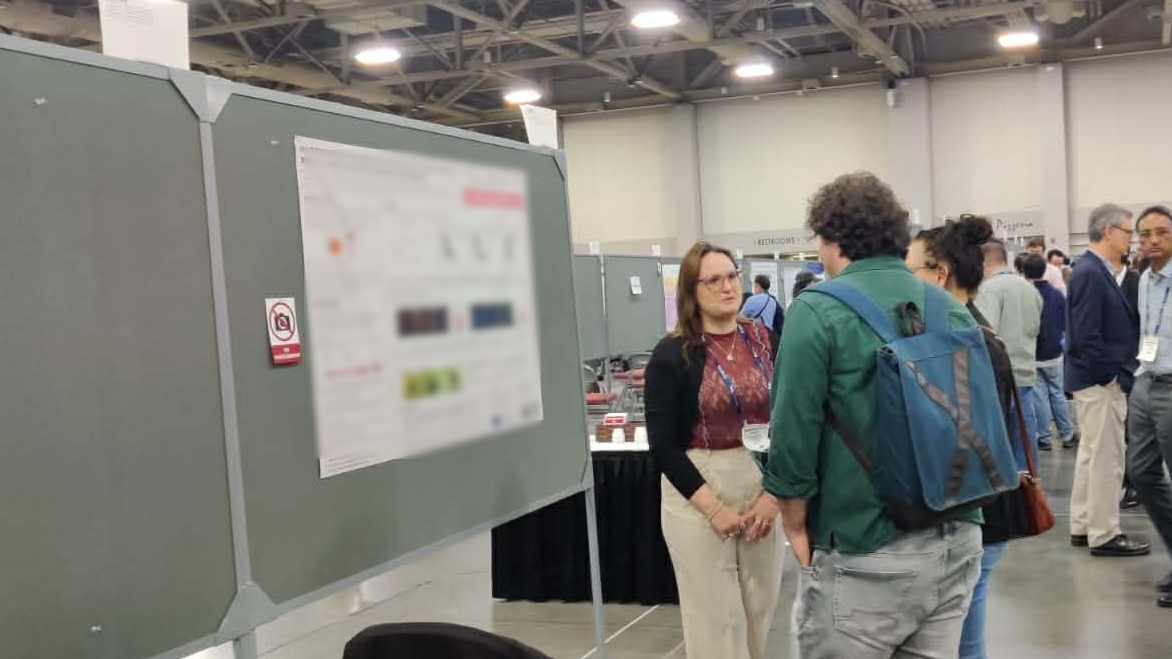
Giulia presented here poster called “Investigating the role of FOXC1 in the glaucomatous retina using mutated retinal organoids” where she showed that mutations in FOXC1 do not impair the development of retinal ganglion cells, but may play a more subtle role in disrupting RGC homeostasis.
|
 |
 |
Lloyd investigated white matter damage in glaucoma using MRI
Lloyd presented his poster called “Profiling white matter microstructure along the primary visual pathway to assess neurodegeneration in glaucoma” where he showed visualizations of white matter damage from the eye to the brain using his profiling techniques in diffusion MRI
|